


Posted On: January 09, 2026
Granite vs. Quartz: Which Countertop Is Best for Your Kitchen?
Choosing the right countertop material is one of the most important decisions you'll make during a kitchen renovation. Both granite and quartz offer exceptional durability and aesthetic appeal, but understanding their unique characteristics will help you select the perfect option for your Virginia home. This comprehensive guide breaks down everything you need to know about granite kitchen countertops and quartz kitchen countertops to make an informed choice.
What Is Granite?
Granite is a 100% natural stone formed deep beneath the earth's surface through the slow crystallization of molten magma. This igneous rock has been a popular choice for kitchen countertops in Virginia for decades.
Composition and Characteristics:
- Primarily composed of quartz crystals and feldspar minerals
- Each slab is completely unique with natural variations
- Features visible mineral grains and distinct veining patterns
- Available in earth tones, vibrant blues, greens, reds, and whites
- Extracted directly from quarries and cut into slabs
Cost: Granite countertops typically range from $40 to $100 per square foot installed, depending on color rarity and thickness.
Granite Advantages and Disadvantages
What Is Quartz?
Quartz countertops are engineered stone surfaces manufactured by combining natural quartz crystals with polymer resins and pigments. Despite being man-made, they contain approximately 90-95% natural quartz.
Composition and Characteristics:
- Engineered from crushed quartz crystals bonded with resins
- Manufactured in controlled factory settings
- Consistent patterns and colors throughout
- Available in hundreds of colors, including patterns mimicking natural stone
- Non-porous surface that resists bacteria
Cost: Quartz kitchen countertops generally range from $50 to $120 per square foot installed, with premium designer brands costing more.
Quartz Advantages and Disadvantages
Key Differences Between Granite and Quartz Countertops
Appearance and Aesthetics
Granite:
- Natural stone offers authentic, unique veining
- Each slab tells its own geological story
- Color variations add character but require careful selection
- Best for homeowners seeking organic, natural beauty
Quartz:
- Uniform appearance with predictable patterns
- Easier to match multiple slabs for large projects
- Can mimic marble, concrete, or other materials
- Ideal for contemporary, consistent design schemes
Price Comparison
When comparing countertops in Virginia, pricing depends on several factors:
Granite costs are influenced by:
- Stone rarity and color
- Slab thickness (2cm vs 3cm)
- Edge profile complexity
- Transportation from quarry
Quartz costs vary based on:
- Brand and manufacturer
- Color and pattern complexity
- Surface finish (polished, honed, textured)
- Designer collections vs standard options
Installation costs for both materials are comparable, typically adding $30-$50 per square foot for professional fabrication and installation.
Maintenance and Durability
Sealing Requirements:
- Granite requires sealing upon installation and resealing every 1-2 years
- Quartz never needs sealing due to its non-porous composition
Stain Resistance:
- Granite can stain from wine, oil, or acidic substances if not properly sealed
- Quartz resists virtually all household stains without sealing
Heat Resistance:
- Granite tolerates hot pans and pots without damage
- Quartz can discolor or crack from extreme heat; trivets are recommended
Scratch and Chip Resistance:
- Both materials are highly durable for everyday use
- Granite may chip at edges if struck with heavy objects
- Quartz is slightly more flexible and less prone to cracking
Environmental Considerations
Granite:
- Natural resource requiring quarrying
- Often imported from Brazil, India, or other countries
- Lower carbon footprint if sourced domestically
Quartz:
- Manufactured product with resin additives
- Often produced closer to point of sale
- Utilizes waste quartz from other industries
Making Your Decision
Choose granite kitchen countertops if you:
- Appreciate natural stone's unique beauty
- Want heat-resistant surfaces for heavy cooking
- Prefer lower upfront costs
- Don't mind periodic maintenance
Choose quartz kitchen countertops if you:
- Desire consistent, predictable patterns
- Want virtually zero maintenance
- Need superior stain resistance
- Prefer modern, uniform aesthetics
How Granite Maker Can Help You
With over 50 years of experience serving Virginia homeowners, Granite Maker offers over 1,000 colors of both granite and quartz countertops. Our expert team provides free consultations to help you select the perfect material for your kitchen, followed by precision fabrication and professional installation. Visit our Stafford showroom to see both materials firsthand and make the best choice for your home.
Frequently Asked Questions
Which is better: granite or quartz countertops?
Neither material is objectively "better"—the right choice depends on your priorities. Granite offers natural beauty and heat resistance, while quartz provides superior stain resistance and lower maintenance. Both are excellent long-term investments for kitchen countertops in Virginia.
Which is cheaper: granite or quartz?
Granite is generally more affordable, ranging from $40-$100 per square foot installed, compared to quartz at $50-$120 per square foot. However, rare granite colors can exceed quartz pricing, and long-term maintenance costs should be factored into your decision.
Does quartz stain more easily than granite?
No, quartz is actually more stain-resistant than granite. Quartz's non-porous surface repels stains naturally, while granite requires proper sealing to prevent staining from wine, oils, and acidic substances.
Is quartz more heat-resistant than granite?
No, granite is more heat-resistant. You can place hot pots directly on granite without damage, while quartz can discolor or crack from extreme heat and requires the use of trivets or hot pads to protect the surface.
Article Author

Arobit
Blog Admin
Tags
Latest Posts
-

Best Bathroom Vanity Tops for Fredericksburg, VA Homes
-

Which Granite Countertop Thickness Should You Choose: 2 cm or 3 cm?
-

Upgrade Your Outdoor Space with Natural Stone Kitchens
-
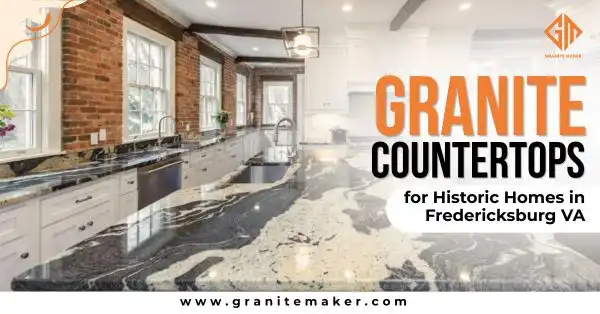
Granite Countertops for Historic Homes in Fredericksburg VA
-

How to Maintain Granite Countertops in Fredericksburg VA Climate Conditions
Similar Posts
-
Best Bathroom Vanity Tops for Fredericksburg, VA Homes
-
Which Granite Countertop Thickness Should You Choose: 2 cm or 3 cm?
-
Upgrade Your Outdoor Space with Natural Stone Kitchens
-
Granite Countertops for Historic Homes in Fredericksburg VA
-
How to Maintain Granite Countertops in Fredericksburg VA Climate Conditions
© 2025 Granite Maker. All rights reserved.
Do not copy any content (including images) without consent.