


Posted On: May 20, 2026
Which Granite Countertop Thickness Should You Choose: 2 cm or 3 cm?
Most homeowners spend weeks choosing the right granite color. The thickness? It barely gets a second thought. That one overlooked decision affects how your countertop looks, how long it lasts, and what it costs to install. Get it wrong and you're dealing with visible seams, extra reinforcement costs, or a slab that wasn't built for your kitchen's demands. Before you finalize anything, this is worth understanding.
What the Numbers Actually Mean
Granite slabs come in two standard thicknesses: 2 cm (about ¾ inch) and 3 cm (about 1¼ inches). Half an inch sounds minor. In practice, it changes the entire installation process and the long-term performance of your surface.
Homeowners investing in granite countertops in Virginia often ask which one is right for their kitchen. The honest answer depends on a few key factors.
2 cm Granite: Where It Works and Where It Doesn't
Two-centimeter slabs have been around for decades. They still serve a purpose, but not in every situation.
Where 2 cm makes sense:
- Bathroom vanity tops with lighter daily use
- Backsplash and wall cladding applications
- Smaller projects with a tighter budget
What to know before choosing 2 cm:
- It needs a plywood sub-top for structural support. Without it, the slab flexes and can crack near sinks or high-impact areas.
- The front edge gets laminated — two stone pieces bonded together to fake a thicker look. On lighter-colored granite, that seam shows.
- Overhangs beyond 6 inches need additional reinforcement.
For busy kitchen countertops, 2 cm demands more preparation and more ongoing attention. It can work, but it requires the right installation.
Why 3 cm Has Become the Standard
Three-centimetre granite now dominates kitchen installations across Virginia, and fabricators consistently recommend it for good reason.
Structural advantages:
- No plywood sub-top needed. The slab supports itself.
- Overhangs up to 10 inches hold without extra reinforcement.
- Less risk of cracking under heavy impact or daily wear.
Design advantages:
- Full edge profiles are possible: waterfall edges, ogee, beveled, and more.
- No lamination seam on the edge. The thickness is real, not manufactured.
- Creates a bold, substantial look that complements both modern and traditional kitchens.
Cost reality: Three-centimetre slabs cost more upfront. But factor in the plywood, lamination labor, and added steps a 2 cm installation requires, and the price gap narrows. Most homeowners find the long-term value makes it the smarter choice.
Maintenance: Both thicknesses require periodic sealing to protect the stone. That said, a 3 cm slab's added strength means fewer stress fractures over time. Fewer repairs. Less maintenance headache. For a high-use Virginia kitchen, that matters.
Choosing What's Right for Your Kitchen
Here's a straightforward way to think about it:
- Large island or peninsula with overhangs? Go with 3 cm.
- Farmhouse sink or waterfall edge in your plans? Three centimeters is the only clean option.
- Bathroom vanity or a smaller renovation? Two centimeters can work well and save money.
- Older cabinets that aren't perfectly level? Talk to your fabricator first. Uneven surfaces require leveling work before any stone installation.
For most kitchen remodels, granite countertops in 3 cm deliver better durability, a cleaner finish, and fewer problems over time. That's why most fabricators across Central Virginia now treat it as the default.
Stone is a long-term investment. Picking the right thickness from the start saves you from costly corrections later. When in doubt, go thicker.
Granite Maker: Serving Virginia Homeowners with Expertise
Choosing between slab thicknesses is exactly the kind of decision Granite Maker helps homeowners navigate every day. Based in Fredericksburg with a three-generation family history going back to 1975, Granite Maker has built a reputation for honest guidance and precision craftsmanship. Their showroom carries over 1,000 stone options, and their in-house team manages everything from templating to final installation.
For homeowners seeking quality Granite Countertops in Fredericksburg VA, Granite Maker brings the expertise and selection to get it right the first time. They serve Greater Fredericksburg and Central Virginia, and their team walks you through every decision without the pressure.
Your countertop decision starts with seeing the stone in person. Walk Through 1,000+ Stone Options at Granite Maker or call +1 (540) 940-6998 to speak with our specialist.
Frequently Asked Questions
- Is 3 cm granite always better than 2 cm?
Not in every case. For kitchen countertops and large islands, 3 cm is the stronger, cleaner choice. For bathroom vanities or lighter-use surfaces, 2 cm works well and costs less.
- Does 2 cm granite need extra support?
Yes. A 2 cm slab needs a plywood sub-top for structural support. This adds material cost and installation time to the project.
- Can I get decorative edge profiles with 2 cm granite?
Options are limited. Waterfall edges and bold profiles don't work cleanly with 2 cm because the lamination seam becomes visible. Three-centimeter slabs give fabricators much more flexibility.
- How do I pick the right thickness for my Virginia kitchen?
Consult a local fabricator directly. Your overhang length, cabinet condition, sink type, and design goals all factor into the right choice for your specific space.
Article Author

Arobit
Blog Admin
Tags
Latest Posts
-

Best Bathroom Vanity Tops for Fredericksburg, VA Homes
-

Upgrade Your Outdoor Space with Natural Stone Kitchens
-
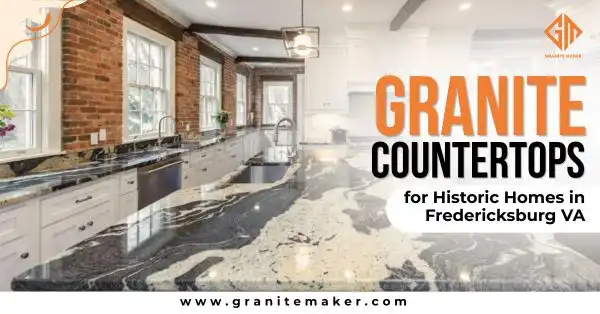
Granite Countertops for Historic Homes in Fredericksburg VA
-

How to Maintain Granite Countertops in Fredericksburg VA Climate Conditions
-

The Science Behind Granite: Why It’s One of the Most Durable Countertop Materials
Similar Posts
-
Best Bathroom Vanity Tops for Fredericksburg, VA Homes
-
Upgrade Your Outdoor Space with Natural Stone Kitchens
-
Granite Countertops for Historic Homes in Fredericksburg VA
-
How to Maintain Granite Countertops in Fredericksburg VA Climate Conditions
-
The Science Behind Granite: Why It’s One of the Most Durable Countertop Materials
© 2025 Granite Maker. All rights reserved.
Do not copy any content (including images) without consent.