

Posted On: January 09, 2026
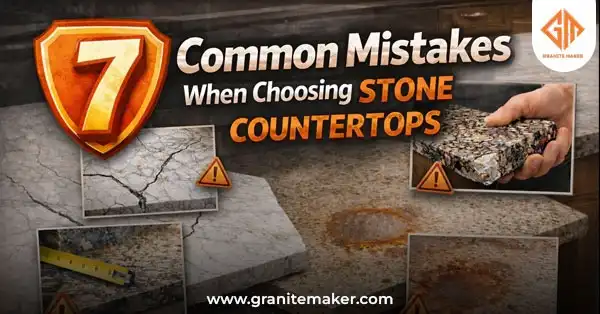
7 Common Mistakes to Avoid When Choosing Stone Countertops
Selecting the perfect stone countertops for your kitchen or bathroom is an exciting step in your home renovation journey. However, many homeowners make avoidable mistakes during the selection process that can lead to disappointment, higher costs, or maintenance challenges down the road. Understanding these common pitfalls will help you make an informed decision and enjoy beautiful, functional countertops for years to come.
1. Not Considering Your Lifestyle and Usage Patterns
One of the biggest mistakes is choosing stone based solely on appearance without thinking about how you actually use your kitchen. Different stones have different maintenance requirements and durability levels.
Consider these factors:
- How often do you cook and prepare meals?
- Do you have young children who might be rough on surfaces?
- Are you willing to perform regular sealing and maintenance?
- Do you frequently use acidic ingredients like lemon juice or vinegar?
For busy families who need low-maintenance options, quartz might be a better choice than marble. If you love cooking with acidic ingredients, granite offers better resistance than marble or limestone.
2. Ignoring the Importance of Proper Sealing
Many people don't realize that most natural stone countertops require regular sealing to maintain their beauty and resist stains. Failing to ask about sealing requirements during the selection process can lead to unexpected maintenance costs and effort.
What you need to know:
- Granite typically needs sealing every 1-2 years
- Marble may require more frequent sealing, sometimes every 6-12 months
- Quartz is engineered and doesn't require sealing
- Some exotic stones have unique sealing needs
Ask your supplier about the specific sealing requirements for the stone you're considering. A simple water test can help you determine when resealing is needed: place a tablespoon of water on the surface and wait 15 minutes. If the stone darkens, it's time to reseal.
3. Selecting Stone Without Seeing the Full Slab
Choosing stone countertops from a small sample is like judging a book by reading just one page. Natural stone varies dramatically from slab to slab, with unique patterns, veining, and color variations.
Why this matters:
- Small samples don't show the full pattern or movement
- Color variations can be significant across different areas of the slab
- You might miss flaws or characteristics that don't match your vision
- The actual slab might look quite different from the sample in your hand
Always visit the supplier's showroom to view the full slabs before making your final decision. This gives you a complete picture of what your finished countertops will actually look like.
4. Overlooking Edge Profile Options
The edge profile you choose affects both the aesthetic appeal and functionality of your countertops. Many homeowners rush through this decision or simply choose whatever the contractor suggests as standard.
Popular edge profiles include:
- Straight edge (modern, clean look)
- Bullnose edge (rounded, traditional style)
- Ogee edge (decorative, formal appearance)
- Beveled edge (angular, contemporary design)
Consider your home's style, your personal preferences, and practical factors like ease of cleaning. Some decorative edges can be harder to keep clean and may cost more.
5. Not Factoring in the Full Cost
The sticker price of the stone is just the beginning. Many people budget only for the material cost and are surprised by the total investment required for countertops in Virginia projects.
Additional costs to consider:
- Fabrication and cutting fees
- Installation labor
- Sink cutouts and fixture installations
- Backsplash materials and installation
- Sealing products and maintenance supplies
- Removal and disposal of old countertops
Get a comprehensive quote that includes all these factors before committing to your choice. This prevents budget surprises and helps you make a realistic decision.
6. Choosing Trendy Over Timeless
While it's tempting to follow the latest design trends, remember that stone countertops in Virginia are a long-term investment. What's popular today might look dated in five years.
Think long-term:
- Classic colors and patterns have lasting appeal
- Neutral tones work with changing décor
- Avoid extremely bold or unusual patterns unless you're certain
- Consider your home's resale value
This doesn't mean you can't be stylish, but balance current trends with timeless appeal. Subtle patterns and neutral colors typically age better than dramatic, trendy choices.
7. Not Researching the Supplier and Installer
The quality of fabrication and installation is just as important as the stone itself. Choosing based solely on price without vetting the company's reputation can lead to poor results.
Research thoroughly:
- Check online reviews and testimonials
- Ask for references from previous customers
- Verify licensing and insurance
- Review their portfolio of completed projects
- Understand their warranty and guarantee policies
A reputable company will be transparent about their process, timeline, and what's included in their services.
Making the Right Choice
Avoiding these seven mistakes will help you select stone countertops that meet your needs, fit your budget, and enhance your home's beauty. Take your time, do your research, and don't hesitate to ask questions throughout the process.
At Granite Maker, we understand that choosing the right stone countertops is a significant decision. With over 50 years of experience serving the Stafford and Fredericksburg area, our team guides homeowners through every step of the selection process. Our showroom features over 1,000 stone colors and varieties, allowing you to see full slabs and make informed decisions. We provide free consultations to help you avoid common mistakes and choose countertops that you'll love for generations. Visit us today to explore your options and work with professionals who prioritize your satisfaction.
Frequently Asked Questions
Q: How long do stone countertops typically last?
A: With proper care and maintenance, natural stone countertops can last 20-30 years or even longer. Granite and quartz are particularly durable and can last a lifetime.
Q: What's the most durable stone for kitchen countertops?
A: Granite and quartz are among the most durable options. Granite is a natural stone that's heat and scratch-resistant, while quartz is engineered for consistent durability and requires no sealing.
Q: Can I install stone countertops myself?
A: Professional installation is strongly recommended. Stone slabs are extremely heavy, require precise cutting and measuring, and need proper support. Improper installation can void warranties and lead to cracks or damage.
Q: How do I maintain my stone countertops?
A: Daily cleaning with mild soap and water is usually sufficient. Avoid abrasive cleaners and acidic substances. Most natural stones need periodic sealing—follow your supplier's recommendations for your specific stone type.
Q: Are lighter or darker stones better for hiding stains?
A: Darker stones tend to show water spots and dust more easily, while lighter stones may show stains more readily. Medium-toned stones with natural variation often hide imperfections best.
Q: What's the difference between granite and quartz countertops?
A: Granite is natural stone mined from quarries, with unique patterns in each slab. Quartz is engineered from natural quartz crystals mixed with resins, offering more consistent patterns and no sealing requirements. Both are excellent choices depending on your priorities.
Article Author

Arobit
Blog Admin
Tags
Latest Posts
-

Best Bathroom Vanity Tops for Fredericksburg, VA Homes
-

Which Granite Countertop Thickness Should You Choose: 2 cm or 3 cm?
-

Upgrade Your Outdoor Space with Natural Stone Kitchens
-
Granite Countertops for Historic Homes in Fredericksburg VA
-

How to Maintain Granite Countertops in Fredericksburg VA Climate Conditions
Similar Posts
-
Best Bathroom Vanity Tops for Fredericksburg, VA Homes
-
Which Granite Countertop Thickness Should You Choose: 2 cm or 3 cm?
-
Upgrade Your Outdoor Space with Natural Stone Kitchens
-
Granite Countertops for Historic Homes in Fredericksburg VA
-
How to Maintain Granite Countertops in Fredericksburg VA Climate Conditions
© 2025 Granite Maker. All rights reserved.
Do not copy any content (including images) without consent.